DiscoveringNatural is a blog dedicated to helping people with hair, beauty and lifestyle. Our aim is to show the beauty of natural hair and love of it. Also share lifestyle with deals and tips that will help you
Bouncy Waves "Braid and Twist" Natural Hair Tutorial
Get link
Facebook
X
Pinterest
Email
Other Apps
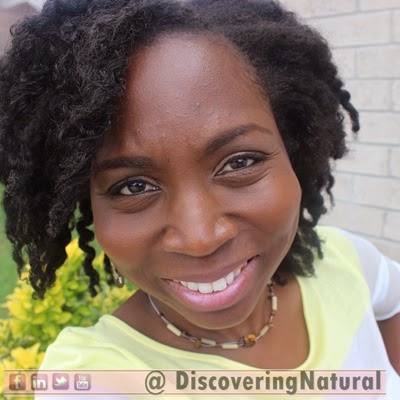
I love how this style gives my hair great stretch. This braid and twist style is simple and helps your root have the much needed stretch your hair needs.
And the answer to that question is YES. Most of the times, you can go by the smell or the look of the product's content. If there is a form of discoloration or weird odor, the product might have expired. However, most products have a label on the product's container showing the expiration date. The date ranges from 12 months to 24 months after opening . How do you find out what that date is? Look at the container, find a picture of an open jar. Similar to this: It will be a good idea to label on your product the date you opened it. This will help you keep track of the expiration date. Did you know that even your makeup expires? Here is my mascara... which I love: It expires 6M (6 months) after opening
Get To Know Me My name is Sola Awe and I am so happy you found this page. I am a licensed hair coach and have been a natural hair enthusiast since 2011 after I decided to transition my oldest daughter to natural hair. I have two daughters who are both natural and lovers of natural hair. My husband is also an advocate in his own way. I have a presence on social media as DiscoveringNatural that is dedicated to helping people be comfortable with their natural hair and learn how to easily care for it. As a child, natural hair was not embraced and when I became an adult, I struggled with understanding my hair. When my oldest daughter was 4, I struggled with caring for her hair and did not have any resource to help me out, so I decided to relax her hair. After a friend invited me a natural hair event in Houston, Texas, where I reside, I knew I have found a new passion. The next day, we started my daughter's transition to natural and I followed afterwards with mine. When I discove...
There are times when our favorite products do not seem to work like we wish it would. Here are some ways you can get these SheaMoisture products to work for your hair. Combine SheaMoisture Curl Enhancing Smoothie and your favorite gel, such as Eco Style gel in a separate container to create your own hair custard. To test if this will leave flakes in your hair, watch this demonstration. Mix Extra Virgin Olive Oil with the SheaMoisture Deep Treatment Masque to boost the slip factor of this product. Click here to find out what SLIP means. SheaMoisture Jamaican Black Castor Oil Styling Lotion makes your hair feels dry?? No worries! Spritz your hair with a little water, apply the SheaMoisture Curl & Style Milk as your leave in, and then use the styling lotion. You'll get moisture for days. What other product HACKS do you have? Share below. CLICK To SAVE MONEY


Comments
Post a Comment